Scott 3200A Tailwheel – Fully Rebuilt: Durable Tailwheel Steering and Landing Gear Solution
Scott 3200A Tailwheel – Fully Rebuilt: Durable Tailwheel Steering and Landing Gear Solution
Blog Article
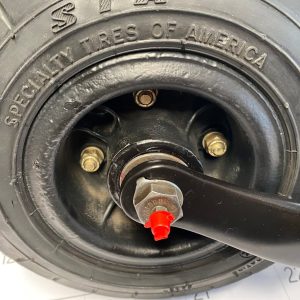
The Scott 3200A Tailwheel – Fully Rebuilt offers a dependable replacement option for suitable taildraggers requiring responsive steering, smooth swiveling, and reliable aircraft ground handling. Clear rebuild records help aircraft owners and maintenance professionals evaluate the tailwheel before installation.
A Scott 3200A Tailwheel Assembly can contribute to controlled taxiing, parking, takeoff alignment, landing rollout, and maneuvering in confined ramp areas. The actual condition of a Scott Tailwheel Assembly should be determined through appropriate inspection rather than cosmetic appearance alone.
An Aircraft Tailwheel Assembly experiences vertical loads, side forces, vibration, steering input, and occasional impact during routine service. A General Aviation Tailwheel operating mainly on pavement may experience different wear from one used regularly on grass, gravel, dirt, or backcountry strips.
Whether buyers need an Aircraft Tailwheel, Taildragger Tailwheel, or complete Aviation Tailwheel System, model identification and rebuild details should be verified.
Exploring the Scott 3200 Tailwheel Design
A fully rebuilt Scott 3200A may offer practical value when its identity, condition, rebuild scope, and aircraft compatibility are confirmed. A system-level evaluation can identify the true cause of binding, looseness, poor centering, irregular tire wear, or inconsistent ground control.
Benefits of the Scott 3200A Tailwheel Assembly
The Scott 3200A Tailwheel Assembly includes a wheel-and-fork structure combined with steering and swiveling mechanisms for suitable tailwheel-equipped airplanes. The quality of the finished assembly depends on component condition, correct reassembly, suitable parts, and final functional evaluation.
Scott Tailwheel Reliability and Condition
Correct lubrication and careful reassembly help restore smooth movement and reduce unnecessary wear. A freshly painted assembly may still contain worn bearings, weak springs, excessive clearances, or damaged steering components when no true rebuild was completed.
Choosing an Aircraft Tailwheel Assembly
The assembly carries tail weight while managing runway irregularities, side loads, repeated landing cycles, and directional forces. The entire installation should be reviewed whenever a rebuilt tailwheel is fitted.
General Aviation Tailwheel Applications
A General Aviation Tailwheel may operate from paved airports, grass runways, gravel strips, private fields, dirt airstrips, and backcountry locations. Training aircraft may accumulate frequent taxi and landing cycles, while bush airplanes may experience greater surface irregularity and impact loading.
Aircraft Tailwheel Ground Handling
The assembly remains part of a complete ground-handling system that also includes rudder control, brakes, main gear, and pilot technique. The axle and bearings should be included in routine maintenance and rebuild inspection.
Choosing a Taildragger Tailwheel
Mechanical wear, poor alignment, or unsuitable steering adjustment can increase pilot workload. Responsible operation can extend Taildragger Tailwheel service life.
Understanding an Aviation Tailwheel System
A problem in one area can create symptoms elsewhere in the installation. Correct setup supports consistent Aviation Tailwheel System operation.
Maintaining a Tailwheel Steering Assembly
Springs, pawls, bushings, bearings, steering arms, and internal contact surfaces can influence steering response. Hardware should remain secure, correctly sized, and appropriate for the assembly.
Maintaining Aircraft Ground Handling Components
Poor steering response can increase tire wear, brake use, pilot workload, and difficulty in confined spaces. Responsible ground movement protects the Aircraft Ground Handling Tailwheel and surrounding structure.
Choosing a Scott 3200 Series Tailwheel
Its established design supports servicing, adjustment, rebuilding, and parts replacement by knowledgeable aviation professionals. Accurate information reduces ordering mistakes and improves buyer confidence.
Rugged Tailwheel Performance
Rugged operations may involve gravel, grass, dirt, uneven surfaces, frequent cycles, contamination, and repeated loading. get more info Preventive maintenance supports reliable Heavy-Duty Aircraft Tailwheel operation.
Inspecting Tailwheel Aircraft Parts
Tailwheel Aircraft Parts may include wheels, tires, bearings, axles, forks, steering arms, springs, pawls, bushings, seals, chains, bolts, and mounting hardware. Systematic inspection supports dependable long-term performance.
Benefits of an Aircraft Steering Tailwheel
Consistent steering can reduce unnecessary brake use and improve maneuverability in confined locations. Pilots should use techniques appropriate to the aircraft and avoid unnecessary mechanical stress.
Benefits of a Replacement Aircraft Tailwheel
The rebuilt Scott 3200A should be compared with both the existing installation and the intended aircraft configuration. Qualified personnel should verify condition, completeness, and installation suitability.
Inspecting General Aviation Landing Gear Parts
General Aviation Landing Gear Parts include tailwheels, nose gear components, main gear assemblies, wheels, tires, brakes, bearings, springs, steering parts, and mounting hardware. Used or rebuilt landing gear parts should be listed with accurate identification, condition, rebuild history, package contents, and available documentation.
Scott Tailwheel Condition Checklist
A detailed inspection reduces uncertainty and supports a more informed transaction.
- Request photographs of the front, rear, sides, wheel, fork, steering arms, mounting area, identification marks, and loose components.
- Arrange professional evaluation when rebuild quality, structural condition, or internal serviceability remains uncertain.
- Inspect and photograph the assembly immediately after delivery before installation, adjustment, disassembly, lubrication changes, or modification.
Installing the Scott 3200A Tailwheel
Mounting surfaces, steering springs, chains, hardware, and attachments should be reviewed before the rebuilt unit is installed. Swivel engagement, release, centering, and directional action should operate consistently.
Pilots should report delayed steering, pulling, vibration, noise, binding, or irregular swivel behavior.
Maintaining the Scott 3200A Tailwheel
Aircraft operating from dirt, grass, gravel, mud, or backcountry strips may require more frequent attention. Recurring shimmy or unusual tire wear should be diagnosed rather than addressed through repeated adjustment without identifying the cause.
Hardware and moving areas should remain visible enough for inspection.
Final Thoughts on the Rebuilt Scott 3200A
The Scott 3200A Tailwheel – Fully Rebuilt can provide a dependable replacement option for compatible aircraft when its rebuild quality, condition, configuration, and documentation are verified. A qualified aircraft maintenance professional should evaluate the complete installation before the tailwheel is returned to operational service.
Whether operators are sourcing an Aircraft Steering Tailwheel, Replacement Aircraft Tailwheel, or General Aviation Landing Gear Parts, complete condition information supports informed decisions. With careful selection and attention to the complete tailwheel system, owners can reduce shimmy, binding, irregular steering, looseness, and premature wear.
Report this page